Residential Electrical Services in Barrington, NH
Daigle Electric provides reliable residential electrical services to homeowners in Barrington, NH, and the surrounding region. Whether you are moving into a newly built home or updating a family residence that has been in the neighborhood for decades, having a safe and efficient electrical system is essential. We focus on quality workmanship and a safety-first approach to ensure your home's wiring meets current standards and supports your modern electrical needs.
New Home Construction Wiring
Building a new home is a significant investment, and the electrical system is the hidden backbone that makes the space livable. Our process begins with the rough-in phase, where we install the main service panel and run the necessary wiring through the wall studs and floor joists before the drywall goes up. This phase requires careful planning to ensure that outlets, switches, and lighting fixtures are positioned exactly where they are needed for your lifestyle. We coordinate closely with other contractors to ensure that the electrical layout integrates seamlessly with the plumbing and HVAC systems.
Once the walls are finished and the home is nearing completion, we move into the trim-out or finish phase. This involves installing the actual devices—the outlets, light switches, and ceiling fixtures—and connecting them to the wiring established during the rough-in. We verify that every circuit is functioning correctly and that the panel is properly labeled for easy identification. By focusing on precision during both phases, we ensure that your new home has a robust electrical foundation that is safe, efficient, and ready for years of use.
Renovations and Additions
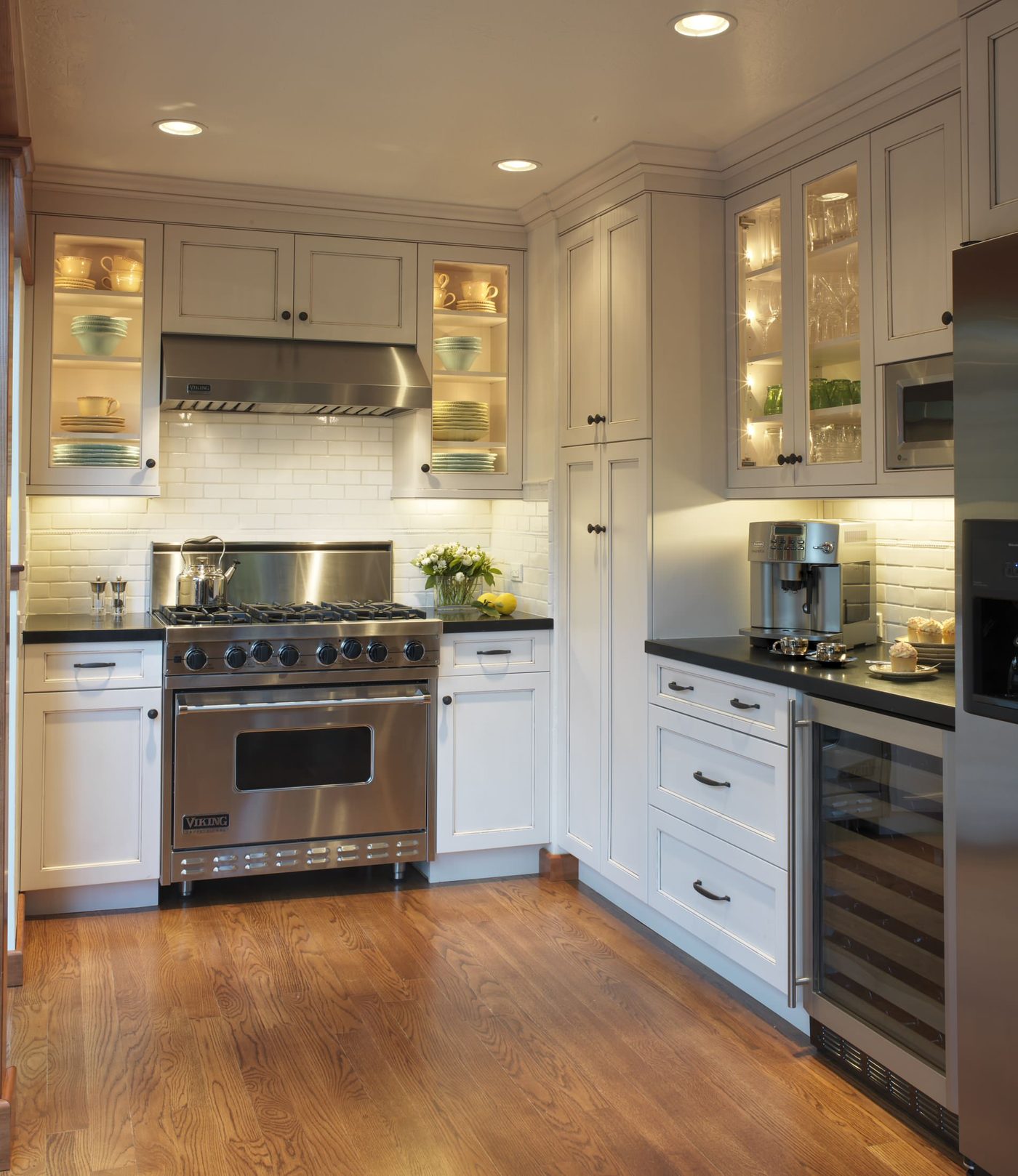
Adding a new room or remodeling an existing space often reveals the limitations of an older electrical system. Kitchens and bathrooms, in particular, have high power demands and strict safety requirements due to the presence of water. When updating these areas, we focus on ensuring that circuits can handle modern appliances without tripping breakers and that all installations adhere to safety codes. Finished basements also require a thoughtful approach to wiring, ensuring that lighting and power are distributed effectively across what is often a large, open area.
Many homes across New England were built in an era with different electrical standards. Older residences often feature aging wiring that may not be suitable for the power loads of today's electronics and appliances. A common issue we encounter is the presence of two-prong outlets, which lack the grounding necessary to protect sensitive equipment and users from electrical faults. Upgrading these outdated systems is not just about convenience; it is about safety. We work to replace old wiring and install grounded outlets, bringing older homes up to a standard that reduces risk and improves reliability.
Everyday Electrical Upgrades
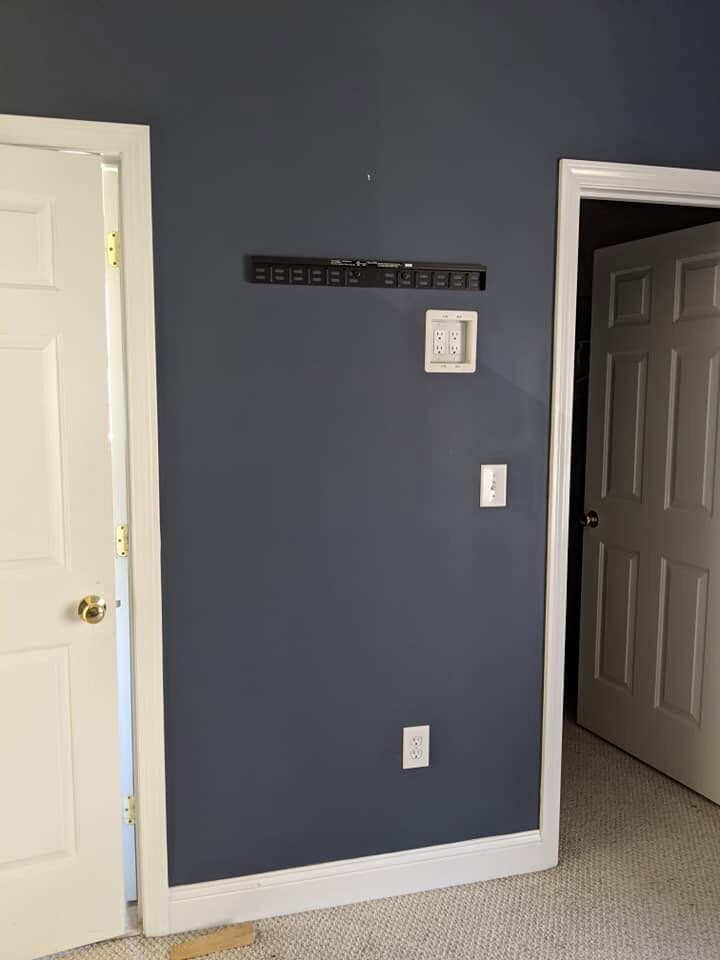
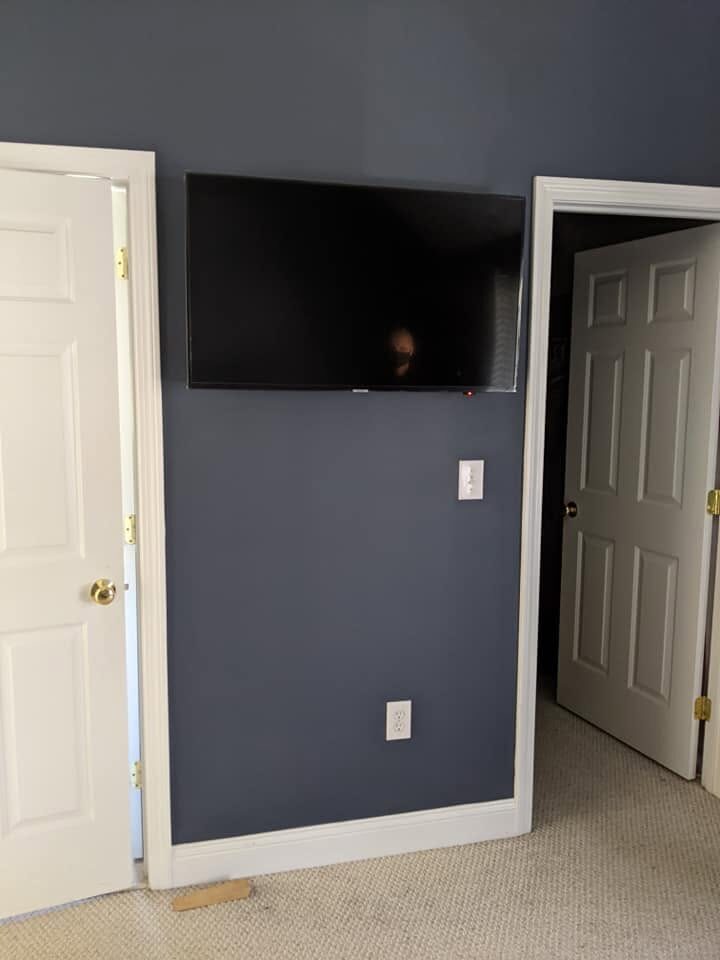
Not every project involves a full remodel. Often, homeowners simply need a few targeted upgrades to improve the functionality and safety of their living space. Installing additional outlets in a home office or adding dedicated circuits for heavy-duty appliances can eliminate the need for dangerous extension cords and power strips. Lighting upgrades are another common request, whether it is replacing old fixtures with energy-efficient options or adding recessed lighting to brighten a dark room.
Safety upgrades are the most critical part of residential electrical work. GFCI (Ground Fault Circuit Interrupter) protection is essential in areas like kitchens, bathrooms, and garages to prevent electrical shocks. We also prioritize the installation and maintenance of smoke and carbon monoxide detector circuits. Ensuring these life-saving devices are properly hardwired and interconnected means that if one alarm triggers, they all do, providing maximum warning and protection for everyone in the home.
Frequently Asked Questions
How much does residential electrical work cost?
The cost of electrical projects varies based on several key factors. The overall scope of the work, such as the number of circuits being added or the size of the renovation, is the primary driver. The age of the home also plays a role, as older structures may require more extensive updates to meet safety standards. Additionally, the accessibility of the wiring—whether it is behind open walls or buried deep in a finished ceiling—impacts the time and effort required to complete the job.
Do I need a licensed electrician for home wiring?
Yes, home wiring projects generally require a licensed professional. Electrical work is highly regulated to ensure the safety of the inhabitants and the structure. Most jurisdictions require permits for significant electrical changes, and a final inspection by a local authority is typically necessary to verify that the work meets the applicable building and safety codes. Working with a professional ensures that the installation is handled correctly and that all legal requirements are met.
How long does a typical residential electrical project take?
The timeline for electrical work depends entirely on the complexity of the task. A simple upgrade, such as installing a few new outlets or GFCI protection, can often be completed in a few hours. Larger projects, like the rough-in and finish phases of a new home construction or a full basement renovation, take place over several weeks or months, following the broader construction schedule. We coordinate our visits to align with the project's progress to ensure efficiency.
Should I update my wiring when remodeling a room?
Remodeling is the ideal time to evaluate and update your electrical system. Since walls are often opened during the process, it is much easier and more cost-effective to replace old wiring or add new outlets and switches than it is to do so after the walls are closed. Updating your wiring during a remodel ensures that the new layout is supported by a system that can safely handle the electrical load of new appliances and electronics.
Ready to Upgrade Your Electrical Panel?
Tell us about your property and your current panel. Daigle Electric serves homes and businesses across Maine, New Hampshire, and Massachusetts.