Professional Electrical Panel Upgrades in Barrington, NH
Your electrical panel is the heart of your building's power system, distributing electricity to every room and piece of equipment you use. As your energy needs grow or your system ages, that heart can become strained. Ensuring your electrical service is up to date is not just about convenience; it is a critical safety measure for your property. Whether you are managing a family home or running a business, a modern electrical panel provides the stability and capacity required to support today's electrical demands without risking overloads or system failures.
Understanding Electrical Panel and Service Upgrades
An electrical panel, often called a breaker box or service panel, is the central hub that receives power from the utility company and distributes it throughout your building via circuit breakers. A panel upgrade generally involves replacing an old, outdated panel with a newer model that has a higher capacity for electricity, measured in amps. For many older properties, this might mean moving from a lower-capacity service to a higher-capacity service to accommodate modern appliances and electronics.
In some cases, you may still have an old fuse box. Fuse boxes were common decades ago, but they are less efficient and less safe than modern circuit breakers. When a fuse blows, it must be manually replaced; a circuit breaker, however, simply trips and can be reset with a switch. Upgrading from a fuse box to a breaker panel is one of the most significant safety improvements you can make to your electrical infrastructure, as modern panels are better equipped to prevent electrical fires and handle higher loads.
Warning Signs Your Electrical System Needs an Upgrade
Recognizing the signs of an overworked electrical system can help you avoid dangerous situations. One of the most common indicators is frequent circuit breaker trips. If you find yourself heading to the panel to reset a breaker every time you run multiple high-energy appliances at the same time, your system is likely struggling to keep up with the demand.
You should also be alert for flickering lights, which often suggest that your circuits are overloaded or that the wiring is unable to handle the current draw. Another warning sign is the presence of warm panels or outlets. If the cover of your breaker box feels warm to the touch, or if you smell a faint burning odor near your electrical equipment, this is a serious safety concern that requires professional attention. Finally, if your home still relies on a fuse box, you are operating on technology that was not designed for the power requirements of modern living, making an upgrade a proactive necessity.
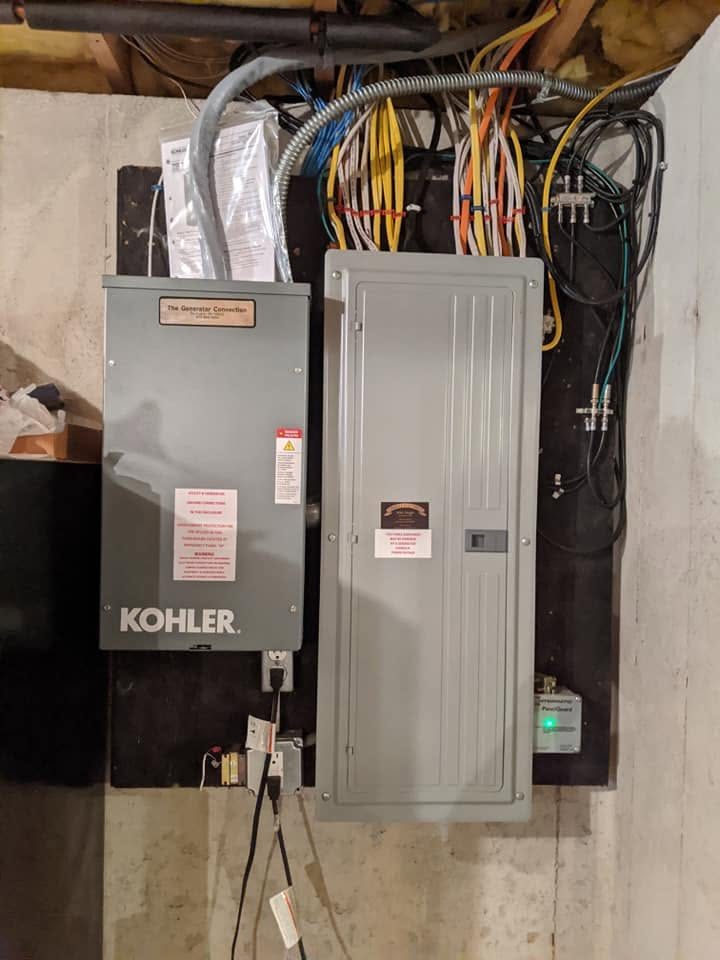
The Electrical Upgrade Process
Upgrading your electrical service is a coordinated effort that involves more than just swapping out hardware. The process begins with a thorough assessment of your current electrical load and a determination of the required amperage for your specific needs. Once a plan is in place, the technical work is performed in strict accordance with local building codes to ensure long-term safety.
A key part of the process is utility coordination. Because the main power line enters your building from the street, the utility company must be involved to safely disconnect and reconnect the power. Simultaneously, the project requires the filing of proper permits with the local municipality. These permits ensure that the work is documented and meets safety standards. After the installation is complete, a certified inspector must visit the property to verify that the wiring and panel installation are correct and safe. Only after the inspection is passed is the system fully commissioned for permanent use.
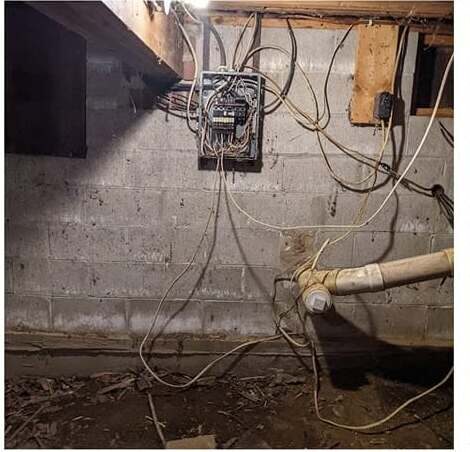
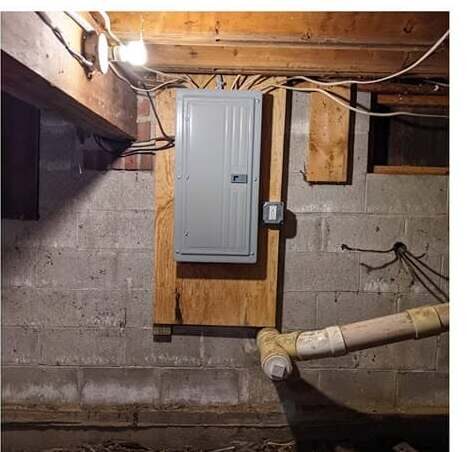
Who Needs a Panel Upgrade?
Many homeowners find that their existing electrical system was designed for a simpler era. If you are installing a high-capacity EV charger, a panel upgrade is often a prerequisite. These chargers pull a significant and sustained amount of power that can easily overwhelm an older service. Similarly, homeowners adding new rooms, finishing a basement, or installing a heat pump often find that their current panel has no available slots for new circuits.
Business owners also face unique challenges. As commercial equipment becomes more sophisticated, the demand for stable, high-capacity power increases. Whether you are adding industrial machinery, upgrading your server room, or expanding your office layout, an outdated panel can lead to downtime and equipment damage. By upgrading your service, you provide a stable foundation for your business growth and ensure that your infrastructure can support modern technology without compromising safety.
Frequently Asked Questions
How much does a panel upgrade cost?
The cost of a panel upgrade is determined by several specific factors. These include the total amperage of the new service, the current condition and location of your existing wiring, the requirements of your local building department, and the extent of the work required by the utility company to bring power to the new panel. Because every property has a unique layout and set of needs, a tailored assessment is necessary to determine the scope of work.
Do I need a licensed electrician for panel work?
Yes. Electrical panel work is inherently dangerous and involves high-voltage components that can cause severe injury or fire if handled incorrectly. This work must be performed by a licensed electrical contractor to ensure it meets all national and local electrical codes. Furthermore, a licensed professional is required to pull the necessary permits and coordinate the mandatory safety inspections required by the municipality to ensure the system is safe for use.
How long does the process take?
The duration of a panel upgrade varies based on the scope of the project and the complexity of the installation. While the physical installation of the panel may take a relatively short amount of time, the total timeline depends on the speed of permit approvals and the scheduling availability of the utility company and the local building inspector. Coordination of these moving parts is required to complete the project as efficiently as possible.
Will the power be off during the upgrade?
Yes, your electrical power will be turned off for a portion of the installation process. This is a mandatory safety requirement to ensure the electrician can work on the main service and the panel without risk of electrocution. The timing of the power shut-off is coordinated with you in advance to ensure that the disruption is managed and fits within your schedule or business operating hours.
Ready to Upgrade Your Electrical Panel?
Tell us about your property and your current panel. Daigle Electric serves homes and businesses across Maine, New Hampshire, and Massachusetts.