Commercial & Industrial Electrical Services in Barrington, NH
Commercial and industrial electrical systems require a level of precision and robustness that differs significantly from residential work. In Barrington, NH, Daigle Electric provides the technical expertise necessary to support the infrastructure of local businesses and industrial facilities. Whether it is a new build-out or a critical system upgrade, the goal is to ensure that electrical systems are safe, efficient, and capable of meeting the demands of modern operations. By focusing on quality craftsmanship and adherence to safety standards, businesses can maintain a stable environment for their employees and customers.
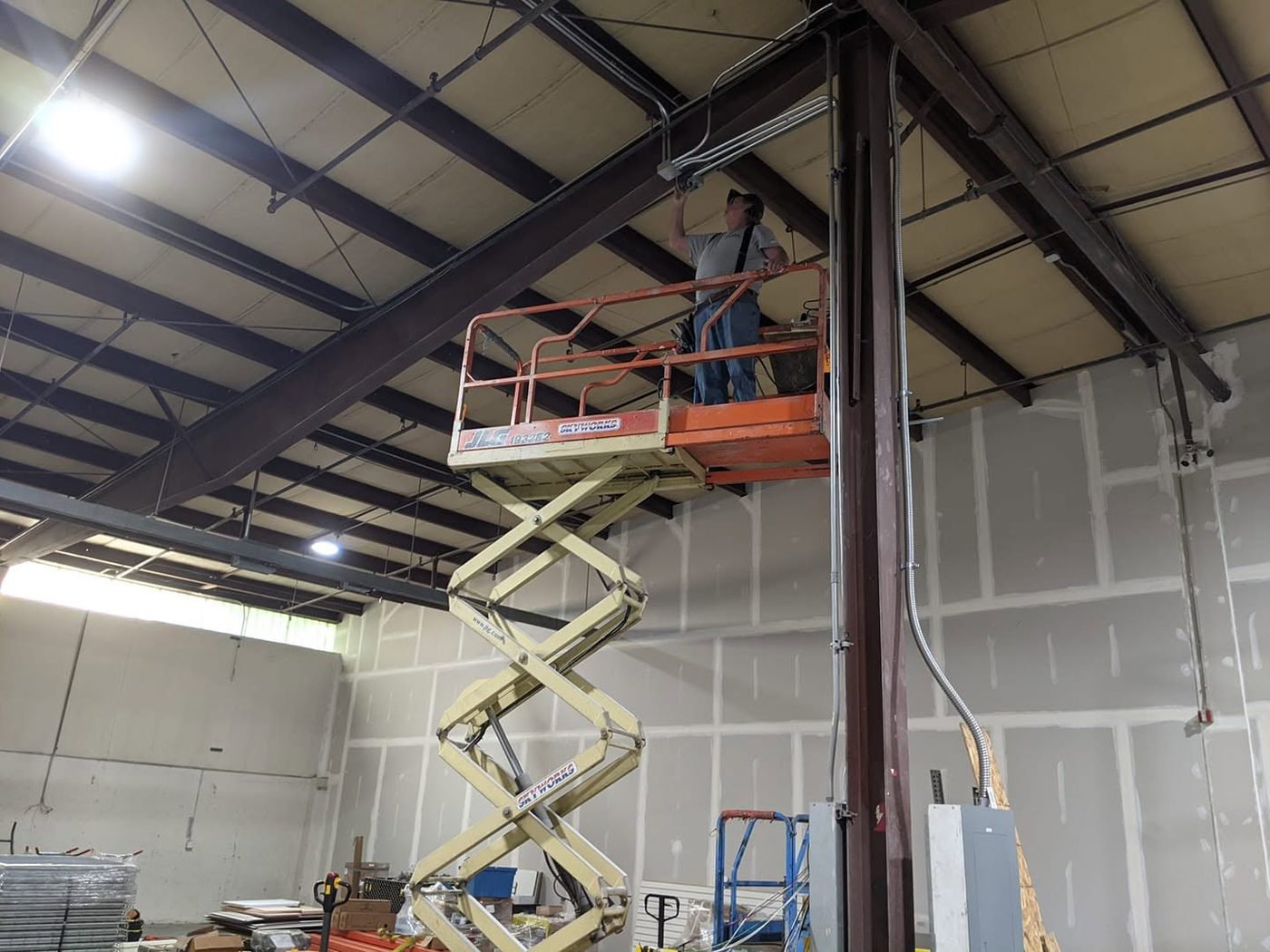
Commercial Build-outs and Tenant Fit-ups
When a business moves into a new space or expands its existing footprint, the electrical infrastructure must be tailored to its specific operational needs. This process begins with capacity planning to ensure that the building's electrical service can handle the projected load. Proper planning prevents overloaded circuits and future outages, providing a foundation for growth.
Lighting is one of the most critical components of any commercial fit-up. From energy-efficient overhead lighting to targeted task lighting in office areas, the right configuration improves productivity and creates a welcoming environment for clients. Modern lighting solutions not only enhance visibility but also contribute to the overall aesthetic and functionality of the workspace.
In addition to general lighting, many businesses require dedicated equipment circuits. Specialized machinery, servers, and high-power appliances often need their own isolated circuits to prevent interference and ensure a steady power supply. Designing these circuits correctly from the start reduces the risk of tripped breakers and equipment failure, allowing the business to operate without interruption.
Renovations and Upgrades in Occupied Buildings
Upgrading electrical systems in a building that is already in use presents a unique set of challenges. The primary objective is to improve the infrastructure while minimizing the impact on daily business operations. This often requires a phased approach to the work, where updates are performed in sections. By dividing the project into manageable stages, businesses can often continue their operations in one part of the facility while another is being upgraded.
Code compliance is a non-negotiable aspect of any renovation. Electrical standards evolve to incorporate new safety measures, and older buildings often require updates to meet current regulations. Ensuring that all work complies with the latest electrical codes is essential for the safety of the occupants and the long-term viability of the property.
A critical part of the renovation process is the management of permits and inspections. Most commercial electrical work requires a permit from local authorities to ensure that the installation is safe and legal. Coordinating these inspections ensures that the work is verified by a qualified third party. This process provides peace of mind to property owners and ensures that the building remains compliant with local laws and safety requirements.
Industrial Electrical Services
Industrial environments are among the most demanding settings for electrical systems. These facilities rely on heavy-duty power distribution to run large-scale machinery, production lines, and ventilation systems. The focus in these settings is on robustness and reliability, utilizing industrial-grade components and heavy-gauge wiring designed to withstand constant use and harsh conditions.
Effective power distribution is essential for maintaining a consistent output in a manufacturing or processing plant. If power is not distributed evenly and reliably across the facility, it can lead to equipment malfunctions or unplanned downtime. Industrial electrical services focus on creating a stable power grid within the facility that can support the heavy loads required by industrial machinery.
Motor controls are another vital component of industrial electrical work. From simple starters to more complex control systems, managing how motors start, stop, and operate is critical for both equipment longevity and operational safety. Properly configured motor controls prevent power surges and allow for precise control over machinery cycles, reducing wear and tear on the equipment.
The ultimate goal of industrial electrical services is keeping facilities running. In a production environment, an unexpected power failure can lead to significant losses in productivity and potential damage to materials. By focusing on proactive upgrades and the installation of reliable circuitry, industrial operators can reduce the likelihood of outages and ensure that their operations remain efficient and stable.
Frequently Asked Questions
How is the cost of commercial electrical work determined?
The cost of a commercial electrical project is influenced by several key factors rather than a flat rate. The overall scope of work, including the amount of wiring and the number of fixtures, is a primary driver. Capacity needs also play a role, as upgrading a main service panel is more complex than adding a few circuits. Additionally, whether a building is occupied or vacant affects the cost due to the scheduling required to work around business operations.
Does commercial electrical work require a licensed electrician?
Yes, commercial electrical installations and modifications generally require the work to be performed by a licensed electrician. This ensures that the installation meets the National Electrical Code and local safety standards. In most jurisdictions, a permit must be obtained before work begins, and a final inspection by a building or electrical inspector is required to close the permit. This process verifies that the work is safe for the occupants and the structure.
How long does a typical commercial electrical upgrade take?
The timeline for a commercial upgrade varies significantly based on the complexity and scale of the project. A simple lighting retrofit or the addition of a few dedicated circuits may be completed in a matter of days. However, a comprehensive service upgrade or a full tenant fit-out can take several weeks. Factors such as the size of the facility, material availability, and the need to coordinate work around business hours all influence the total duration.
Can electrical work be phased to avoid business interruptions?
It is often possible to phase electrical work to minimize the impact on business operations. This involves dividing the project into smaller, manageable sections and scheduling the most disruptive tasks, such as panel replacements or main line work, during off-peak hours. By focusing on one area of the building at a time, businesses can often keep their doors open and continue serving customers while the electrical infrastructure is being modernized and improved.
Ready to Upgrade Your Electrical Panel?
Tell us about your property and your current panel. Daigle Electric serves homes and businesses across Maine, New Hampshire, and Massachusetts.